If you have ever followed Louisiana’s River Road with the Mississippi River glinting beyond the levee, you know the moment when the scenery suddenly changes. The cane fields stretch, the oaks thicken, and then a bright façade appears with a kind of confidence that feels larger than the landscape. For generations of travelers, that jaw-drop moment belonged to Nottoway.
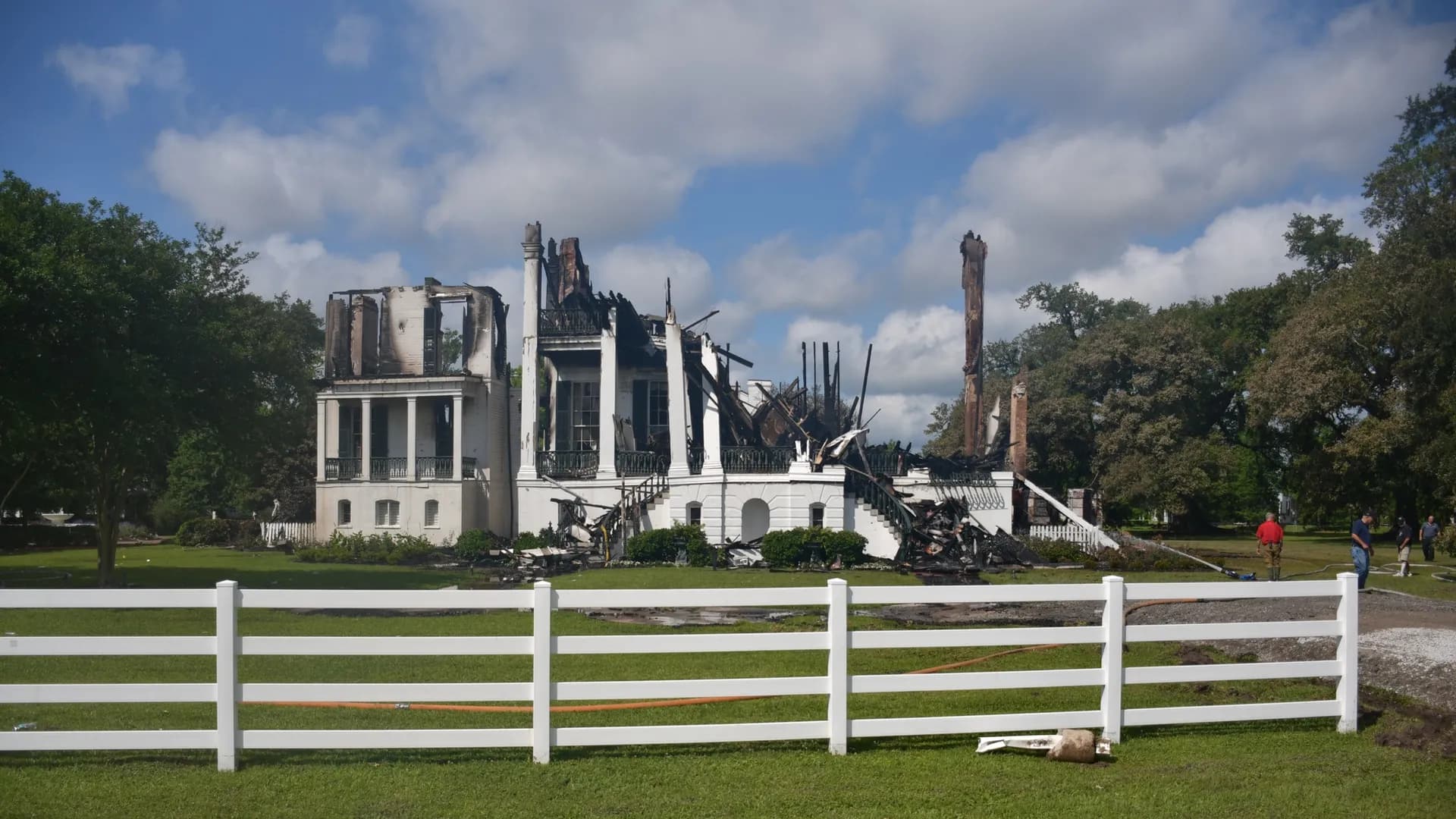
In May 2025, that familiar silhouette disappeared into smoke and flame. The mansion was deemed a total loss after a massive fire. Now the story has turned again. In February 2026, local reporting confirmed that reconstruction has officially begun, with the owners describing a phased plan that starts with cleanup and demolition and ends with an exact replica of the house. The owner also says the rebuilt site will include a memorial honoring enslaved people and a “unification center,” acknowledging that slavery was a brutal part of the property’s history.
So what does it actually mean to rebuild a place like Nottoway, not just as a structure but as a symbol that carries beauty, pain, and controversy all at once? Here is what is known from public reporting, how reconstruction projects like this typically unfold, and what to watch for as the new Nottoway takes shape.
featured image source: www.axios.com
The Landmark That Drew People to the River Road

Long before anyone spoke about rebuilding, Nottoway lived large in the public imagination, the kind of place people described with a little extra breath in their voice. Completed in 1859 for John Hampden Randolph, it has often been regarded as one of the largest remaining antebellum mansions in the South, built to announce itself from the moment it comes into view.
The sheer scale was always part of the story. Coverage over the years has put the mansion at roughly 53,000 square feet with 64 rooms, with sweeping galleries facing the river so it could be seen from the water and admired by passersby. Its styling blended classical symmetry with ornate flourishes, and the interiors were designed to impress, with soaring ceilings, elaborate finishes, and period features that were considered advanced for the time.
But the grandeur cannot be separated from the system that produced it. Like other plantations along Louisiana’s River Road, Nottoway existed because enslaved people were forced to do the work that sustained the property and generated its wealth. That dual reality, architectural spectacle built on human suffering, is why the site has long carried tension between what it looks like and what it represents. The fire did not create that debate so much as make it unavoidable.
The May 2025 Fire That Changed Everything

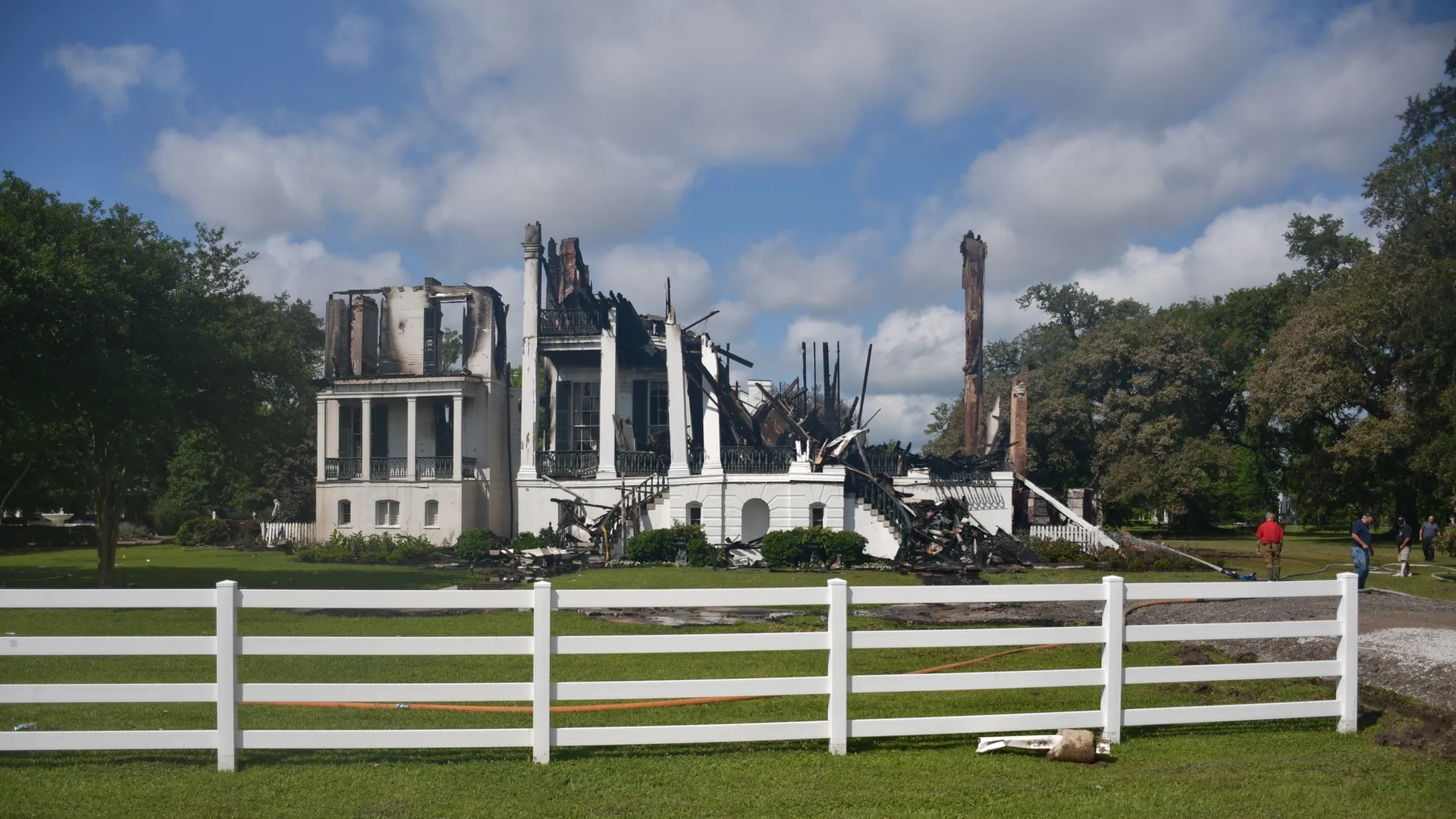
On May 15, 2025, firefighters responded to a blaze at the plantation. Iberville Parish officials later said the main building was a total loss, while other structures on the property were preserved. The way the fire unfolded is described vividly in local reporting. Flames were first spotted in the museum wing. Crews were still pouring water onto the collapsed structure more than 18 hours later. Reporting also describes the fire reigniting and overtaking the roofline, reducing the iconic façade to rubble.
Those details matter for the rebuild because a fire does not just remove a building. It scatters materials, compromises foundations, and forces decisions about what can be saved, what must be cleared, and how closely the replacement can match what came before.
Another crucial piece of context is the investigation. In the weeks after the fire, reporting said investigators had not determined the cause and that evidence was sent out for lab analysis. By February 2026, reporting quoted the owner saying the cause was electrical, even as the final report was described as incomplete. From a rebuilding standpoint, what matters most is this: reconstruction will almost certainly treat electrical systems and fire safety as nonnegotiable priorities, because no one wants history to repeat itself.
The Decision to Rebuild and the Promise of a Replica

After the fire, rumors swirled the way they often do when a famous property suffers a public loss. Would the land be sold? Would the remains be cleared and turned into something else? Would the site disappear? By late 2025, local reporting said the owners were not selling and planned to rebuild what burned. Then, in February 2026, reporting confirmed that the first phase of reconstruction had begun, with the rebuild planned in stages and ending with an exact replica of the house. The same coverage said parts of the property remained open, and it quoted an estimated two to three year timeline with no cost estimate at the time.
That phrase, “exact replica,” is the heart of the project’s public identity right now. It signals that the intent is not to build something inspired by Nottoway, but to recreate the house visitors recognized at first glance. Still, a replica is not a simple thing. The word sounds clean, almost like snapping your fingers and watching the columns reappear. In reality, rebuilding a complex nineteenth-century mansion in the twenty-first century is a process of research, documentation, engineering, and craft decisions layered on top of each other, all while staying within modern building codes.
What Rebuilding Nottoway Looks Like in the Real World

Public reporting gives a broad outline of the phased rebuild plan. The first phase is cleanup and demolition. That usually involves more than hauling debris away. Fire debris can include unstable walls, compromised brickwork, sharp metals, and hazardous materials created by burning finishes. Crews typically secure the site, remove what is unsafe, and then decide what should be preserved for documentation.
After a historic structure burns, the next step often becomes a kind of forensic architecture. Teams gather every reference they can find. They hunt down measurements from earlier restoration work, old surveys, photographs, floor plans, tourism brochures, and historic documentation. In Nottoway’s case, there may be more to work with than you would expect because the mansion was heavily photographed, widely visited, and often discussed in travel media. Those descriptions do not replace architectural drawings, but they add to the evidence set that helps rebuilders decide what must be reproduced and how. When combined with photo archives and earlier renovation records, they can guide everything from column proportions to gallery rail patterns to roof shape.
Then the rebuild enters the stage that looks most like traditional construction. New structural systems go up. Modern electrical is installed. Plumbing and mechanical systems are integrated. Fire detection and suppression planning is built into the bones of the building. The exterior is recreated to match the historic look. The key point is that an “exact replica” is usually exact in appearance, not exact in hidden infrastructure. It is extremely unlikely that any serious reconstruction would recreate old vulnerabilities on purpose. The goal becomes making the building look like the past while behaving like the present, especially when it comes to safety.
The Emotional Power of the Facade and Why People Want It Back

If you are trying to understand why this rebuild matters to so many people, start with the façade. Nottoway was not just big. It was cinematic. It was one of those places people could recognize instantly, even if they could not tell you the name of the town it was in. That kind of architecture becomes a landmark not only for tourists, but for locals who grew up seeing it as part of the landscape. When it burns, the loss is not only historical. It is personal. It changes the way a familiar stretch of road feels.
At the same time, the façade is the part of the plantation story that has often been foregrounded, while the lives of the enslaved have been pushed into the background. This is part of the critique that has followed plantation tourism for decades. When the big house becomes the star, the people who built and maintained the entire operation can become footnotes.
The May 2025 fire brought those debates back into the open. Reporting captured sharply different reactions, with some mourning the loss of craftsmanship and history, and others expressing jubilation, seeing the destruction as symbolic retribution for slavery’s horrors. An essay published later that summer by The Historic New Orleans Collection reflected on the polarized response and what it reveals about how the United States continues to reckon with plantation slavery. This is the environment the rebuild is happening inside. Rebuilding Nottoway is not only an architectural act. It is a cultural act, and it will be interpreted as such whether the owners want that spotlight or not.
The Planned Memorial and the Question of What Story the Rebuilt Site Will Tell

One of the most important facts to emerge from the February 2026 reconstruction coverage is not about carpentry or brick. It is about interpretation. The owner has said they plan to include a memorial honoring enslaved people, plus a “unification center,” explicitly acknowledging slavery as a brutal part of the property’s history that the rebuilt site will recognize. That matters because it suggests the rebuild is not intended to be only a return to a glamorous, wedding-venue version of the property. It points toward an attempt, at least in stated intent, to create space for truth telling.
Local opposition includes residents who argue that rebuilding the mansion feels like a slap in the face and that the entire property should serve as a museum focused on the history of enslaved people, rather than drawing visitors in through typical resort-style tourism. Those reactions capture the central challenge. If the rebuilt Nottoway simply recreates the big house and returns to business as usual, the criticism will likely sharpen. If the memorial becomes a meaningful, historically grounded space that centers the enslaved and engages descendant voices, the rebuild could become a turning point in how the site is understood.
Right now, public reporting does not include specifics like exhibit design, historical consultants, or programming. So the best approach is to treat the memorial plan as a direction, not yet a finished reality. Still, the fact that the owners are publicly committing to a memorial is a significant development, and it is something to watch closely as construction progresses.
How a Replica Can Still Be Authentic

Some travelers hear “replica” and immediately feel uneasy. If the original burned, can the rebuilt version ever be real? That question has haunted preservation for a long time, and the answer depends on what you mean by authentic. A rebuilt structure cannot carry the same material continuity as the original. The wood, plaster, and paint layers will be new. But a reconstructed building can still be historically meaningful if it is honest about what happened, careful in its research, and rigorous in how it replicates design.
In Nottoway’s case, the record of the mansion is unusually rich. The property was widely photographed, toured, and documented. There is also a broader ecosystem of writing about the site because it has been discussed as a landmark for decades, and because its story connects to larger themes of architecture, labor, and memory in Louisiana.
A reconstructed Nottoway can be authentic in the sense that it recreates a lost landmark accurately, but it has to be paired with interpretive honesty. Otherwise, the reconstruction risks becoming a beautiful shell that invites visitors to forget what the mansion’s original grandeur was built upon.
The Rebuild Timeline and Why It May Still Feel Long

Reporting in February 2026 quoted an estimate that the house would be rebuilt in two to three years, with no cost estimate offered at the time. Two to three years can sound quick or slow depending on expectations. For a project aiming to recreate a massive nineteenth-century mansion as an exact replica, it is ambitious but not impossible, especially if the rebuild is treated as a high priority with sufficient resources.
Still, there are reasons timelines can stretch. Specialized craft labor is harder to schedule than general construction. Material sourcing can be unpredictable. Weather can delay work, and Louisiana weather can be relentless. Design decisions that seem small, like how to replicate a gallery railing pattern, can become time-consuming when you are trying to match historic appearance while meeting modern code requirements.
Then there is the interpretive element. Building a memorial and an educational center is not only construction. It is content creation. It requires historical research, curatorial decisions, and ethical planning, and it benefits from community engagement. Those parts can take time to do well.
Visiting the Property While Reconstruction Is Underway

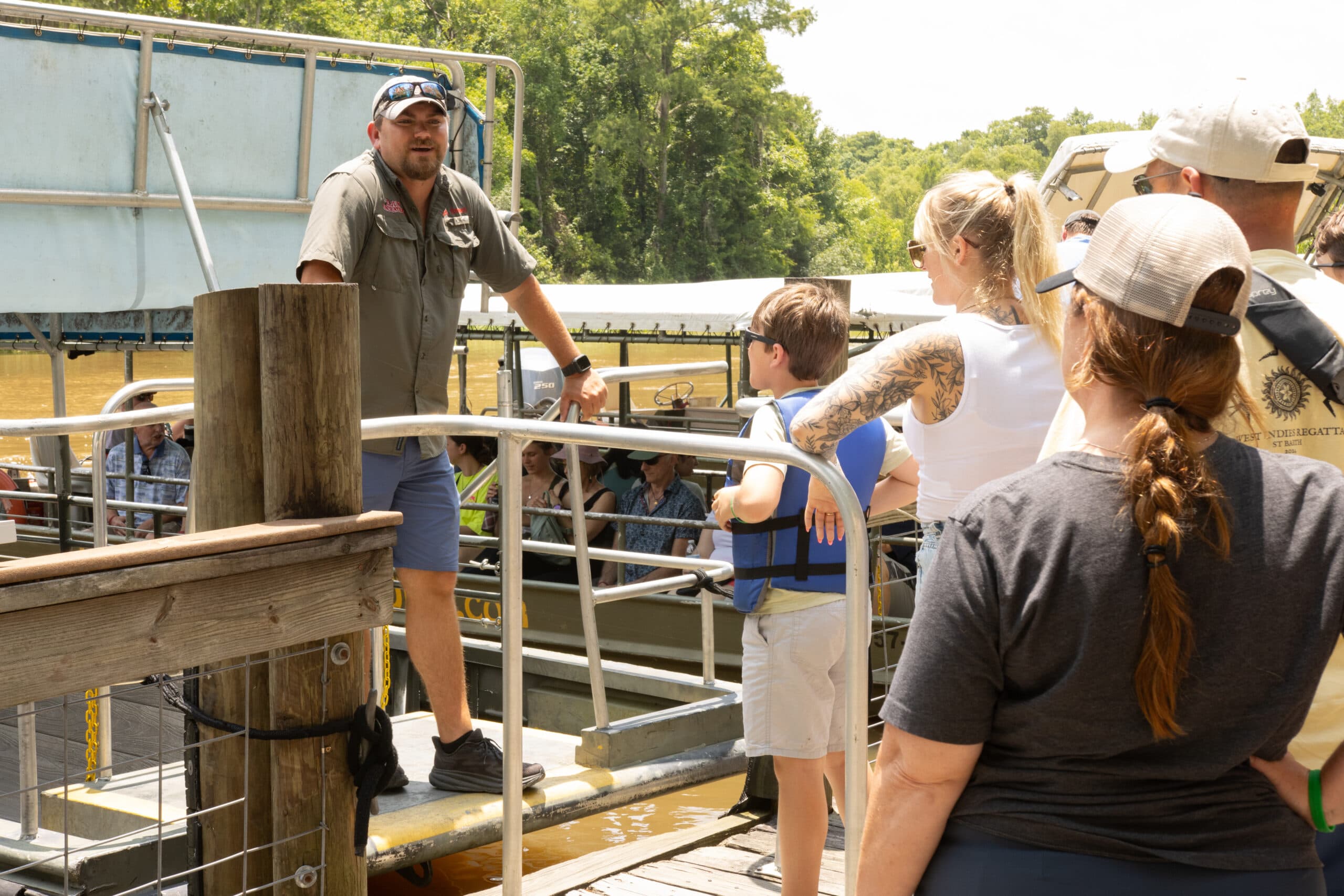
Local reporting in February 2026 said parts of the property remain open even while the main house is being rebuilt. For travelers, that means Nottoway is not necessarily a “come back in a few years” location. It may still be a stop on a River Road itinerary, depending on what is accessible when you visit.
Food is one concrete example. Iberville Parish tourism listings have described Randolph’s Restaurant as operating on the property. Because construction schedules can change quickly, it is worth checking current hours and access updates before you drive out. Even when a property is “open,” the visitor experience during reconstruction is often different from what people remember. Some areas may be blocked off. Traffic patterns may be altered. The mood may be more reflective than celebratory.
Still, there can be something powerful about visiting a place in transition. You are not seeing a polished product. You are seeing history in motion, and you are seeing the choices a community makes about what should be restored, what should be remembered, and what should be reinterpreted.
A Landmark in Transition

The key facts are simple. The mansion burned in May 2025 and was deemed a total loss, while other structures were preserved. Investigators initially said the cause was undetermined pending lab analysis, while later reporting quoted the owner describing it as electrical even as the final report was not complete. The owners say the estate is not for sale and they plan to rebuild. Reconstruction began in February 2026, starting with cleanup and demolition and will end with an exact replica, plus a memorial and “unification center” meant to honor enslaved people and acknowledge slavery’s role in the site’s history.
What is not yet fully clear, and what will define how the rebuilt site is received, is the substance of the interpretation. Architecture can be replicated with enough documentation and skill. The harder reconstruction is the moral one, the work of telling the whole story without flinching. If you are tracking the rebuild, pay attention to what gets announced beyond construction milestones. Watch for who is consulted, what stories are centered, how the memorial is designed, and whether the rebuilt Nottoway treats the past as decoration or as testimony. That is the real reconstruction happening here, not just a building returning to the River Road skyline, but a chance to decide what the landmark means when it comes back.
Latest Posts
Rebuilding Nottoway Plantation: Inside the Remarkable Effort to Restore a River Road Icon

Top 10 Things to Do for Mardi Gras 2026 When Visiting New Orleans for the First Time